Guides
Barbershop equipment on a budget: used versus new
Used and new barbershop equipment on a budget compared by cost per chair hour, covering clippers, chairs, sterilisation units and what each route costs a shop.
What to take away
- The chair, not the clipper, is the item worth buying new when you weigh used versus new barbershop equipment: it is the only purchase that earns while it sits still.
- A used chair is a bargain only if it passes inspection and its parts are still stocked; a discontinued hydraulic base is scrap with a cushion.
- Price every route per chair hourpurchase price divided by expected service hours, plus repair and downtime.
- Clippers and sterilization units are consumable-grade tools. Buy them new, replace on a schedule, and stop pretending they are capital.
- Keep a depreciation schedule per item so the replacement decision is arithmetic, not a feeling.
What actually gets bought, and what it costs
A working barbershop buys six things:
Used vs new equipment prices
Used
- Barber chair
- $400-$1,200
- Clippers
- $25-$60
- Autoclave
- $400-$2,500
- UV cabinet
- $60-$200
- Shampoo bowl
- $150-$400
New
- Barber chair
- $900-$3,000
- Clippers
- $60-$200
- Autoclave
- $1,500-$6,000
- UV cabinet
- $60-$200
- Shampoo bowl
- $300+
What actually gets bought
- barber chairs
- clippers and trimmers
- sterilization equipment
- shampoo units
- station mirrors and lighting
- the reception and POS setup
Each behaves differently on the balance sheet.
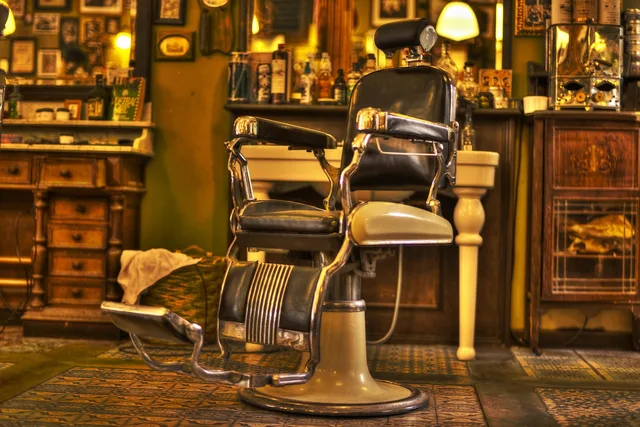
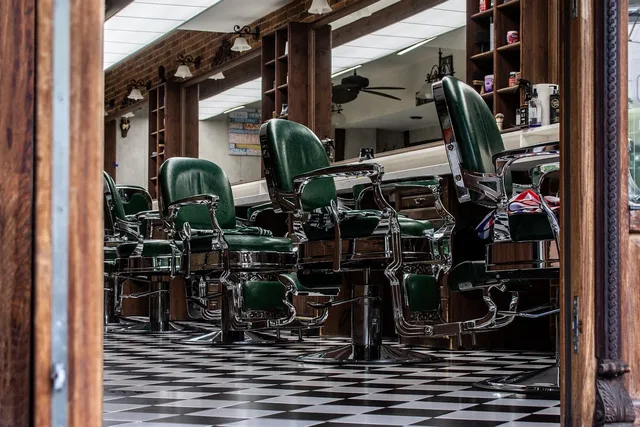
Barber chairs run roughly $400 to $1,200 used and $900 to $3,000 new. Takara Belmont, Collins, Pibbs and Berke all build chairs in that range, and Gamma sits near the bottom of it. A chair is a hydraulic base, a frame and a cushion, and only the base fails expensively.
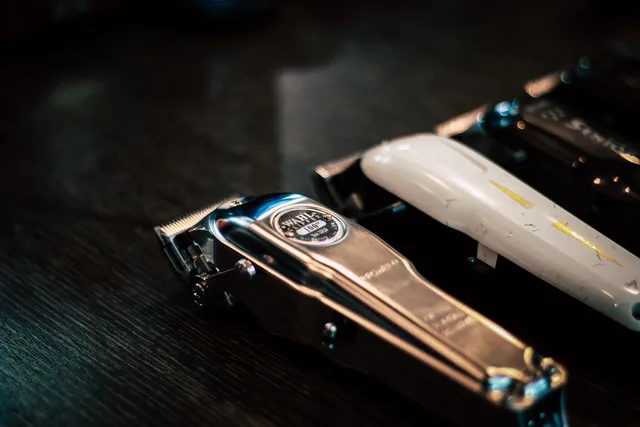
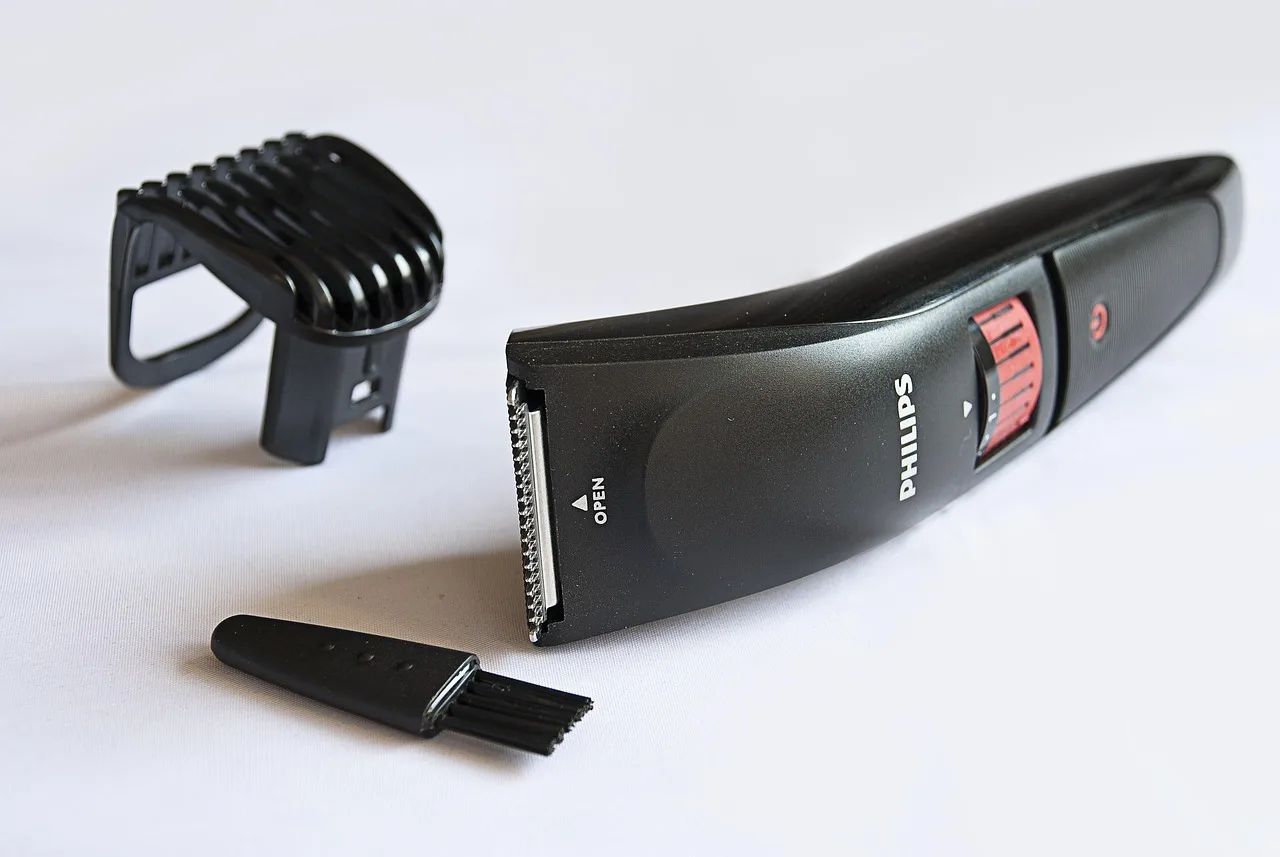
Clippers are the opposite. Wahl Senior, Andis Master and Oster Fast Feed are $60 to $200 new and hold value badly, so used units typically sell for $25 to $60 with worn blades. A replacement blade runs $25 to $40. Buy new, keep two spares per chair, and write them off over two years.
Sterilization gear sits in between. An autoclave from a dental supplier such as Tuttnauer or Midmark typically runs $400 to $2,500 used and $1,500 to $6,000 new. A UV cabinet is $60 to $200 and does less than the label suggests: it disinfects, and disinfection is not sterilization.
Whichever you run, follow the manufacturer and the relevant standards body on cycle and testing. Confirm what your provincial or state board requires, because that varies by location.
Shampoo units, mirrors and lighting are mostly installation cost. A Pibbs or Collins shampoo bowl typically runs $150 to $400 used and $300 to $900 new, but a used shampoo bowl saves little once a plumber has been paid twice.
The arithmetic that decides it
Do not compare sticker prices. Compare cost per chair hour:
Cost per chair hour
- $0.30-$0.50per chair hour over five years
- $400used chair base rebuild at hour 3,000
- $280lost Saturday revenue from one down chair
- $35average ticket, eight cuts a day
cost per chair hour = (purchase price + expected repairs + downtime cost)
                      / expected service hours
A $1,000 used chair has a $400 base rebuild at hour 3,000. A $1,200 new chair carries a warranty. Both land near $0.30 to $0.50 per hour over five years. The used chair wins only if it survives the hours you are promising it.
Downtime is the variable people leave out. A chair out of service on a Saturday costs the shop the ticket value times the bookings it cannot take. At a $35 average ticket and eight cuts, that is $280 a day, which erases most of a used-chair saving in one weekend.
Run the same sum for a lease. A lease spreads the cost and preserves cash, but the exit terms bind you to the lender, and a shop that closes early still owes the balance. Read the wording before signing, not after.
What to check on a used chair before you pay
- Lift the chair to full height under load and hold it. A base that sinks is a rebuild.
- Check the model number against the maker's current parts list. Discontinued hydraulics are the trap.
- Inspect the upholstery seams and the frame welds for cracks, not just the surface.
- Confirm the footrest and headrest lock, and that the chair does not rotate past its stop.
- Ask for the service history and the year of manufacture, and price the rebuild before you agree.
Fail the inspection and the discount disappears: you make a return trip with a trailer while a client waits in the other chair.
Used chair inspection checklist
- Lift to full height under load and hold
- Check model number against maker's parts list
- Inspect upholstery seams and frame welds
- Confirm footrest and headrest lock
- Ask for service history and year of manufacture
Where new equipment pays for itself
Buy new where the failure is visible to the client. Chairs, shampoo units and station lighting are the three. A client notices a wobbling chair, a cold rinse and a mirror that throws a shadow across the fade.
Buy used where the failure is invisible or cheap to fix: reception desks, waiting seating, storage and back-bar shelving. None of it touches the cut.
Buy new for anything that touches blood or broken skin. The OSHA bloodborne pathogens interpretation is the checkable starting point for whether your shop triggers the standard, and the FDA salon professionals fact sheet separates cosmetic-product safety from workplace safety and state licensing. Neither one lets you buy a used autoclave on faith.
For the wider build-out, including electrical, plumbing and layout, work from the barbershop equipment and setup guide and confirm every requirement with your municipal authority, since codes change.
The BLS occupational profile is the sanity check on staffing and pay assumptions behind all of this. It describes barber duties, work settings, licensing and self-employment, and notes that barbers clean and disinfect tools and work areas.
Common questions
Is used barbershop equipment worth it?
For chairs, shampoo units and lighting, sometimes, if the base is serviceable and parts are still stocked. For clippers, sterilization units and anything touching broken skin, the saving rarely covers the risk. Price both routes per chair hour before deciding.
How long should a barber chair last?
A quality chair with a rebuildable hydraulic base can run ten years or more in a single-shift shop. Two shifts a day halves that. Track the model number and the rebuild cost, and replace when the annual repair bill passes the cost of a new base.
Should I lease or buy?
Lease when cash is needed for chairs and marketing at the same time, and when the shop's bookings are stable enough to cover fixed payments through a slow February. Buy when you can, because a lease's exit terms bind you to the lender. Get the wording reviewed by an accountant before signing.
What should I never buy used?
Autoclaves, anything with a sealed hydraulic or electrical component you cannot inspect, and discontinued models with no parts supply. A used chair that fails inspection costs more than the new one you avoided.