Guides
Barbershop equipment, reviewed without the sales pitch
The practical question behind 'best barbershop equipment 2027' is how the decision will work during an ordinary operating day. The point is not to copy a national.
What to take away
- Clippers and trimmers decide the rankingWahl Professional first, then Andis, BaBylissPRO, Oster and JRL.
- Chairs and stations go to Takara Belmont, Collins and Minerva Beauty, judged on warranty and spare parts.
- Razors and shears go to Feather, Mizutani and Hikari, and only if you will pay for sharpening.
- Score every brand on four criteriadurability, parts availability, service turnaround, five-year cost.
- Prices below are typical U.S. ranges to check, not quotes.
A working barber can buy these brands, replace their consumable parts, and get them repaired without closing a chair for a week. That is the whole test. Marketing copy does not survive an ordinary operating week.
How the ranking was built
| Criterion | What to check | Why it decides the rank |
|---|---|---|
| Durability | Motor hours, housing, blade wear under daily fades | A failure mid-shift costs a chair |
| Parts availability | Blades, guards, batteries, cables stocked by two suppliers | A trimmer with no spare blade is scrap |
| Service turnaround | Repair time and warranty terms, in writing | Two weeks without a clipper is lost revenue |
| Five-year cost | Purchase, blades, sharpening, batteries, repairs | The cheapest unit often costs the most |
Price is the first question owners ask. The new versus used equipment cost guide prices both routes on the same chair, and that comparison is where a five-year figure starts.
Ranked shortlist for 2027
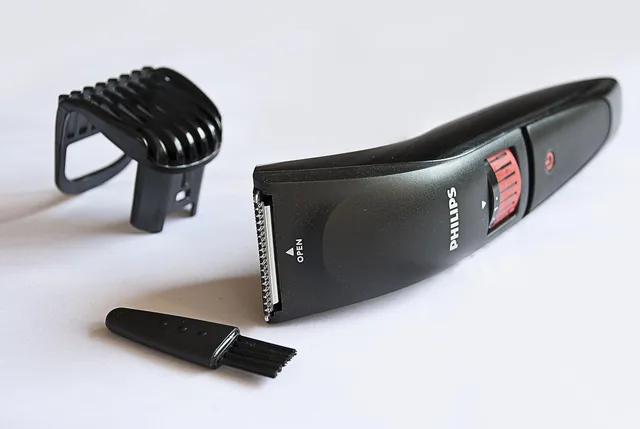
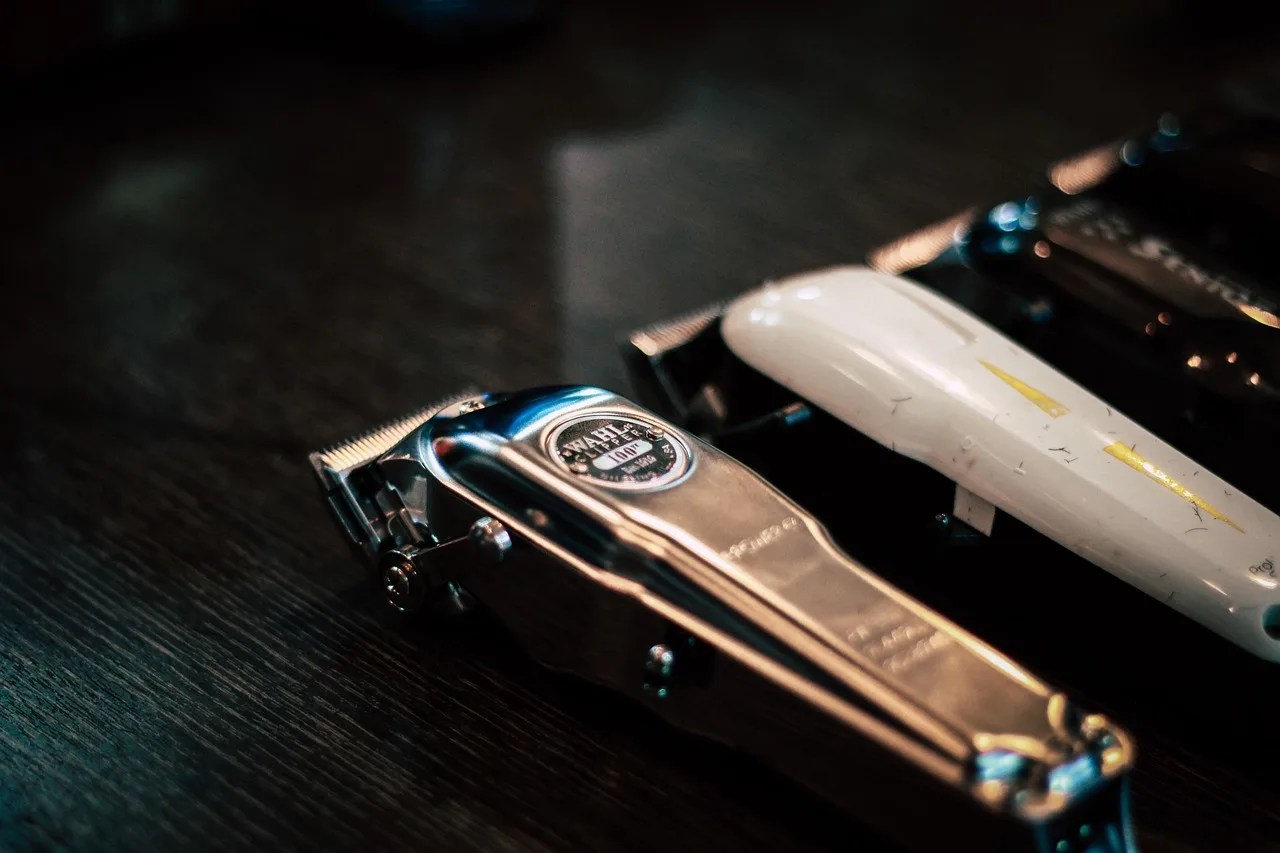
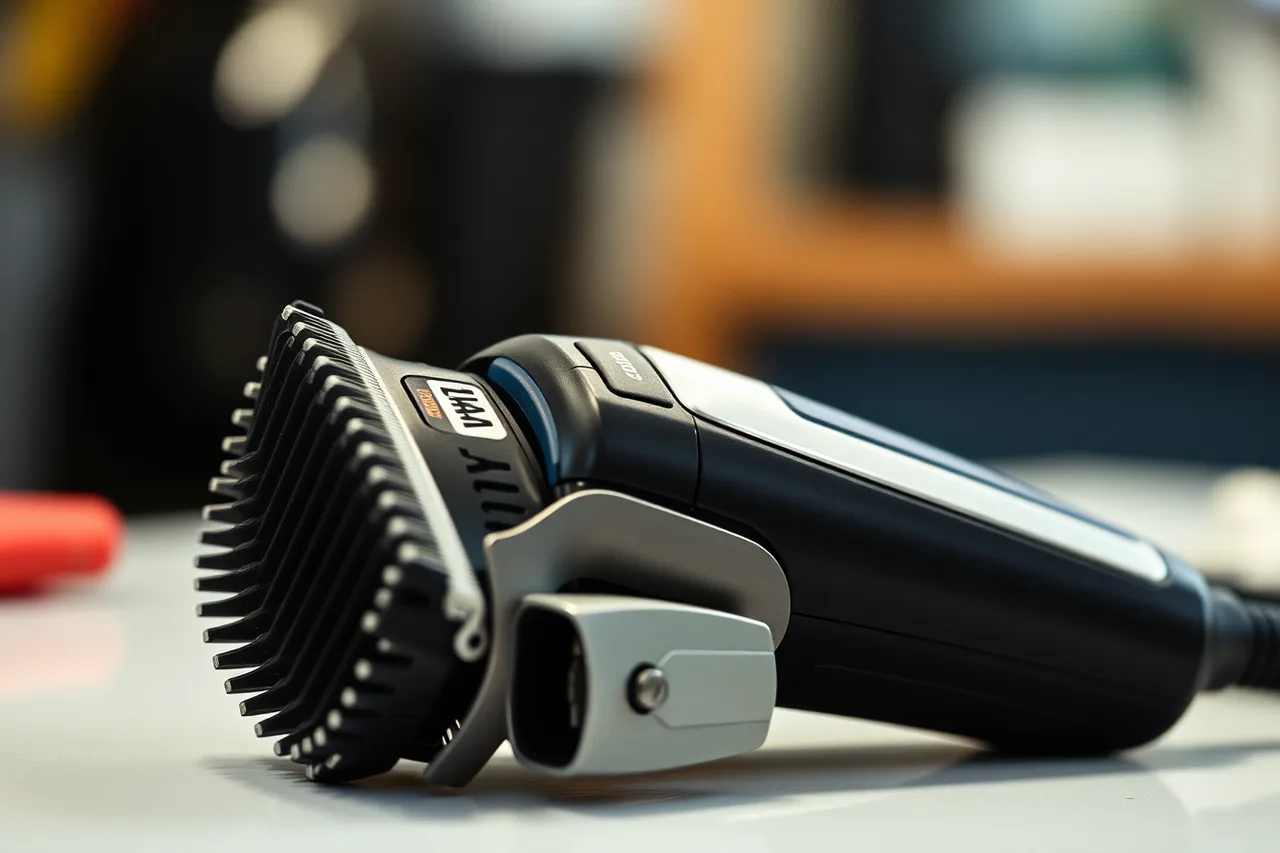
Clippers take the hardest daily wear, so the first five places go to clipper and trimmer makers. Wahl Professional sits first because blades are sold separately and stocked widely by U.S. distributors.
[figure 1]
| Rank | Brand | Models to price | Suits | Typical U.S. price band |
|---|---|---|---|---|
| 1 | Wahl Professional | 5-Star Cordless Magic Clip, 5-Star Senior | High-volume fading | $120 to $200 per clipper |
| 2 | Andis | Master Cordless, GTX-EXO | Fades and tapers | $130 to $260 |
| 3 | BaBylissPRO | FX870 GoldFX | Fast blade swaps | $150 to $260 |
| 4 | Oster | Classic 76 | Heavy bulk cutting | $140 to $210 |
| 5 | JRL Professional | Onyx | Long cordless shifts | $180 to $300 |
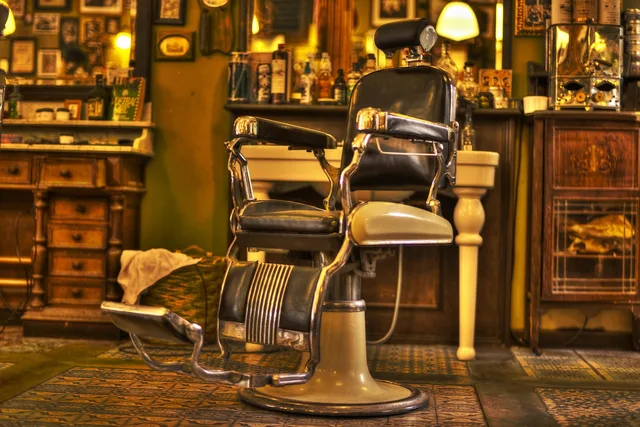
| 6 | Takara Belmont | Legend barber chair | Two to six chair shops | $1,500 to $3,500 per chair |
| 7 | Collins | Chairs, stations, reception | North American parts network | $700 to $2,500 per unit |
| 8 | Mizutani, Hikari | Cutting shears | Precision work | $300 to $1,500 per pair |
If a brand cannot ship a replacement blade or battery within 48 hours, it drops out of the top eight, whatever the spec sheet claims.
Feather razors, Gamma+, StyleCraft, Moser and Panasonic remain credible. They sit outside the eight because U.S. parts depth or service reach is thinner. The first equipment guide for 2027 sequences what to buy in the first quarter.
What a fit-out costs
A two-chair shop typically lands between $12,000 and $25,000 on equipment alone. Treat that as a planning range. Freight and metro pricing move it, and a lease adds interest.
The barbershop equipment checklist for new owners splits those lines into buy now, delay and drop. Owners who skip that step often fund a reception desk before a second set of blades.
Leasing keeps cash in the business. IRS Publication 946 explains how leased and purchased equipment is depreciated, and that treatment changes the five-year number.
Example: two chairs at $18,000
A two-chair shop in a mid-size U.S. city buys two Takara Belmont chairs, two Collins stations, four clipper sets split between Wahl and Andis, one pair of Hikari shears and a shampoo unit. That basket lands near $18,000.
The same owner skips the second shampoo unit, a custom reception desk and a third chair until month six. Those three cuts free roughly $6,000 for rent and payroll during the first slow quarter.
Used chairs cut the basket by $2,000 to $4,000, but inspect the hydraulic pump, the recline mechanism and the upholstery before paying. A rebuild kit can erase the saving.
Funding comes from savings, a lease, or a term loan. The barbershop startup costs and funding options article sets out which lenders fund equipment. SBA loan programs are one route for a first fit-out.
Rules that change what you can buy
State licensing boards set the disinfection rules that decide which clippers, blades and razors you may reuse. Check yours before you order.
OSHA's bloodborne pathogens interpretation for barber shops requires an employer to judge whether staff face anticipated exposure. The answer decides between a disinfectant jar, single-use blades, or an autoclave.