Guides
Winter chair turnover in the Prairies and the -30C no-show problem
Barbershop chair turnover in the Prairies drops when -30C cold and snow hit; here is how Manitoba, Saskatchewan and Alberta shops schedule, staff and rebook.
What to take away
- Barbershop chair turnover in the Prairies is driven less by cutting speed than by whether the client arrives at all, and a -30C morning can wipe out a third of a day's book.
- Manitoba, Saskatchewan and Alberta shops absorb cold snaps differently: Winnipeg and Saskatoon lean on deposits and tight confirmation windows, while Alberta shops with chinooks see sharper, shorter cancellation spikes.
- Split shifts and on-call barbers keep a shop open through a snow day without paying a full crew to stand around.
- A written deposit and cancellation policy, posted at booking, is the cheapest no-show insurance a Prairie shop can buy.
- Rebooking is a routine, not a favourcall the cancelled clients in storm order and slot them into the next two weeks before the book refills.
- Cold days add real work at the doorsand, salt, mats and a warm waiting area decide whether the next client walks in or turns around.
Why -30C changes the chair turnover math in Manitoba and Saskatchewan
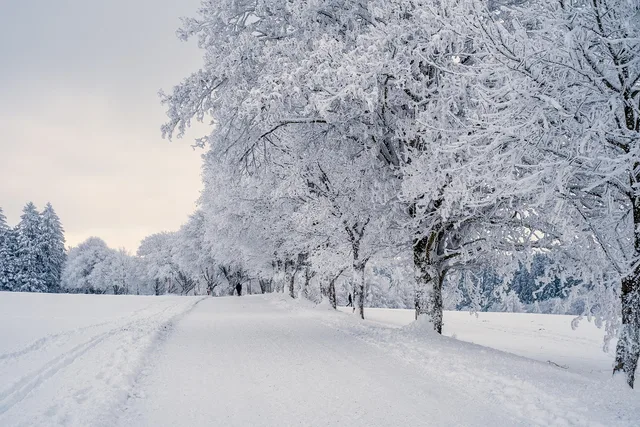
A Prairie cold snap does not slow a barber's hands. It stops clients from leaving the house. In Winnipeg, a -30C morning with wind chill near -40C is a normal January event, and bus waits, dead car batteries and unplowed residential streets all land on the same 9 a.m. appointment.
Prairie winter booking swings
Winnipeg
- Cold pattern
- steady deep cold
- Client barrier
- bus, dead cars
- Book risk
- full but empty
Saskatoon / Regina
- Cold pattern
- sharp, spread out
- Client barrier
- long drives
- Book risk
- distance no-shows
Calgary / Edmonton
- Cold pattern
- chinook swings
- Client barrier
- fast changes
- Book risk
- dead then overbooked
The result is a book that looks full and earns like a half day. Ten cancellations in a row do not just cost ten cuts. They leave gaps that cannot be refilled, because walk-in traffic also collapses when it is dangerous to be outside.
Saskatoon and Regina shops see the same pattern, often with a sharper edge. Prairie cities are spread out, and a client who drives twenty minutes to a shop will not make that drive in a whiteout. Distance turns weather into a scheduling problem, not just a comfort problem.
Alberta is more variable. Calgary and Edmonton get cold, but chinooks can push temperatures above freezing within a day, so bookings swing hard in both directions. A shop that plans for a full week of cold may find Tuesday dead and Wednesday overbooked.
This is why Barbershop scheduling that avoids delays has to flex by season in the Prairies. A summer book and a January book should not be built the same way.
The turnover numbers that matter in winter
Track three figures through a cold snap: confirmation rate, cancellation rate and rebooking rate. Confirmation rate tells you how many clients actually answered. Cancellation rate tells you how much of the day you lost. Rebooking rate tells you whether that revenue came back.
A shop that confirms 90 per cent of its book and rebooks 70 per cent of cancellations loses far less than one that does neither. Those numbers belong in the monthly KPI routine alongside average ticket and client retention.
Why the cold hits turnover harder than a slow summer
In summer, a cancellation is often recoverable. Walk-ins are out, patios are busy and someone will take the slot. In a -30C week, nobody is strolling past your door, so a cancelled slot is usually gone for good.
That asymmetry is the whole problem. Winter does not just reduce demand. It removes the buffer that normally absorbs no-shows.
Snow-day staffing: split shifts and on-call barbers
A full crew on a snow day is a losing bet. If four barbers are booked and two clients show, the shop pays for chairs that earn nothing. Prairie owners have learned to shrink the day instead of cancelling it.
Snow-day staffing decision
Is the book full enough to pay a second chair?
keep the afternoon barber on shift
move them to on-call, two hours notice
Split shifts are the standard tool. One barber opens and works the morning block, a second covers the afternoon, and the shop stays open without paying two full days. On a day when the book is thin, one chair and one phone line can handle the traffic.
On-call staffing goes further. Barbers agree to be available on a short call, usually two hours, and come in only if the book fills or a regular asks. This works best with staff who live close to the shop, which in Prairie cities often means the difference between a ten-minute drive and a forty-minute one.
Both models need rules written down before the first storm. Who decides to cut the shift? How much notice does an on-call barber get? Is there a minimum payment for being on call? Ambiguity here is what turns a weather day into a staffing argument.
A worked example from a Saskatoon shop
Say a Saskatoon shop books six clients for a Tuesday morning and three for the afternoon. A storm warning lands Monday night. The owner calls the afternoon barber and moves them to on-call, keeps the morning barber on, and sends a confirmation text to all nine clients.
By 7 a.m., four morning clients confirm and two cancel. The shop runs four cuts in the morning, calls the on-call barber in for two afternoon clients, and closes at 4 p.m. instead of 7 p.m. The day earns less than planned, but it does not lose money on idle chairs.
Writing the snow-day rule before the snow
- A named person decides on shift cuts, usually the owner or manager.
- A cut-off time for the decision, such as 6 a.m. or two hours before opening.
- A minimum on-call payment, even if the barber is not called in.
- A confirmation text sent to every booked client the evening before.
- A closing notice posted on the shop's social accounts and door.
- A record of hours lost, kept for payroll and for next season's planning.
Saskatchewan employers also have to keep the rules straight on pay and hours when shifts are cut or moved. The province's Employment Standards | Information for Saskatchewan Businesses and Industry | Government of Saskatchewan sets out the minimum standards that apply when you change a Saskatoon barber's scheduled hours.
Deposits, cancellation policies and no-show pricing
A Prairie shop without a deposit policy is financing its clients' bad weather decisions. The deposit does not need to be large. It needs to be consistent and clearly explained at booking.
Most shops land on one of three models. A flat deposit per appointment, usually a set dollar amount, is the simplest. A percentage deposit scales with the service and protects longer bookings better. A card on file with a stated no-show fee is the lightest touch, but it depends on the client agreeing and on you actually charging it.
The policy matters more than the amount. Clients cancel without guilt when the rules are vague. They cancel less when they have already paid something and know the terms.
What a workable cold-weather policy says
Cold-weather deposit policy
- Early canceldeposit back or moved
- Late cancellose part or all
- No-showlose deposit, new one to rebook
- Weather warning and shop closesmove deposit
- Rules explained at booking
Add a weather clause. If Environment Canada issues a warning and the shop closes, deposits move to the next booking with no argument. That single line prevents most of the fights a cold snap creates.
Why deposits work better in the Prairies than in milder markets
In a city where winter is mild, a no-show is an annoyance. In Winnipeg or Saskatoon, a no-show during a cold snap is a lost day, because the slot cannot be refilled. Deposits change client behaviour precisely because the cost of the no-show is higher here.
The pricing side of a profitable barbershop has to account for this. A shop that absorbs every weather no-show is quietly discounting its winter revenue by a large margin.
Keeping the policy fair
The fastest way to lose regulars is to punish them for a storm you also could not drive through. Waive the fee when a weather warning is active, and say so in the policy. Clients remember who was reasonable in January.
Rebooking regulars when the storm passes
Rebooking is where a bad weather week is won or lost. The cuts cancelled on Tuesday are not gone. They are waiting to be rescheduled, and the shop that calls first gets them.
Rebooking after the storm
- Pull cancelled and no-showed appointments
- Sort by client value and wait time
- Call regulars before occasional walk-ins
- Offer slots inside fourteen days
- Open a temporary early or late block
Start with the storm list. Pull every cancelled and no-showed appointment from the affected days and sort by client value and by how long they have been waiting. Regulars who come every four weeks should be called before the occasional walk-in.
Call, do not just text. A phone call in the two days after a storm reaches people who ignored the automated reminder, and it signals that the shop noticed they were missing.
The two-week rebooking window
Offer slots inside the next fourteen days, not next month. A client who rebooks three weeks out is likely to drift. A client who rebooks within a fortnight keeps the habit.
If the book is tight, open a temporary early or late block. Prairie clients will take a 7 a.m. slot in February if it means getting their usual barber.
Folding weather losses into the schedule
After each cold snap, look at which days lost the most and why. If Mondays keep collapsing, stop booking them heavily in January. If confirmations are the weak point, move the reminder earlier.
This is the same discipline described in How a barbershop runs day to day. Weather is a recurring operational input in the Prairies, not an exception.
Heating, entryway and safety duties on extreme cold days
A cold day is also a building day. Doors open and close constantly, heat escapes, and the entryway becomes the first thing a client judges. Slipping on ice at your door is a real liability and a real reputational problem.
Keep the entrance clear. Sand or salt the walk before opening, not after the first client falls. Use a proper mat inside the door so meltwater does not turn the floor into a hazard for the next person.
Watch the heat. A shop that runs cold in the waiting area loses clients to the next appointment, and barbers working with wet hands feel it first. If the furnace is struggling, fix it before January, not during a cold snap.
For shops considering a heating upgrade, Natural Resources Canada publishes guidance on Electric heat pumps - Natural Resources Canada, which is worth reading before committing to a system that has to perform below -25C.
Cold-weather safety duties for staff and clients
Employers have a general duty to keep the workplace safe, and that includes cold-weather hazards. The Guide to the Occupational Health and Safety Act | ontario.ca explains the framework that Prairie provinces mirror in their own legislation, covering slips, housekeeping and workplace conditions.
In practice this means a written routine for ice, snow, wet floors and equipment that fails in the cold. It belongs in your Standard procedures for a barbershop, not in someone's memory.
When the province tells people to stay home
Saskatchewan issues emergency and hazardous weather notices that affect travel and business. The province's Emergency | Information for Saskatchewan Residents and Visitors | Government of Saskatchewan page is the reference point for storm warnings and emergency information in the province.
Federal notices also matter for staffing and no-show policy. Employment and Social Development Canada publishes Hazardous weather: Important notices - Canada.ca, which is useful when you are deciding whether to close and how to treat the day for staff.
A short extreme-cold opening routine
Extreme-cold opening routine
- Check the forecast and any active warnings before 6 a.m.
- Clear and salt the walk, steps and entryway.
- Confirm the day's bookings by text and note who has replied.
- Decide on shift cuts and tell on-call staff.
- Post any closure or late-opening notice on the door and online.
- Keep the waiting area warm and the floor dry all day.
Common questions
How much deposit should a Prairie barbershop charge in winter?
Enough to make a client think twice, not enough to scare them off. Many shops use a flat amount tied to the service price, and the exact figure matters less than applying it consistently.
Should I close when a storm warning is issued?
Not automatically. Check the provincial emergency notices and the federal hazardous weather notices, then decide based on staff travel and confirmed bookings. Closing early is usually better than closing all day.
Do split shifts break Saskatchewan employment standards?
They can be structured legally, but hours, breaks and minimum pay still apply. Check the provincial employment standards before you build a split-shift rota.
How do I stop regulars from drifting after a cancelled appointment?
Call them within two days and offer a slot inside two weeks. Speed matters more than the discount you might be tempted to offer.
Is a card on file better than a deposit?
It is lighter for the client and easier to book, but it only works if you actually charge the no-show fee. Many shops find a deposit simpler to enforce.
What if the shop loses heat during a cold snap?
Close and tell clients early. A cold shop is a safety issue for staff and a bad experience for anyone who travels to it.