Guides
Barbershop packages customers actually buy
Six barbershop packages that sell, what each one contains, and how to price and schedule them without wrecking the chair day or your margin.
What to take away
- A barbershop package sells when it solves a recurring problem: a cut that is shaggy at three weeks, a beard that needs shaping between cuts, a groom who wants one appointment before the wedding.
- Price from chair time, not from a discount. Add the minutes each service takes, multiply by your hourly chair rate, then subtract the bundle discount you can afford.
- Cut and beard is the workhorse. It fills a slot that would sit empty between two haircuts.
- Every package needs a name, a fixed content list and a stated time on the booking page. Vague bundles start arguments at the chair.
- Track the rebooking rate per package. A bundle that does not bring the client back sooner is a discount with extra steps.
This article covers shop operations and pricing arithmetic, not licensing, sanitation, employment, tax or legal advice. Requirements differ by province, state and municipality. Confirm current rules with your provincial or state board and a qualified adviser.
Six barbershop packages that sell
Six bundles repeat across shops that track what clients rebook. Each is a named thing with a fixed content list and a stated duration on the booking page.
The maintenance cut. A haircut every three to four weeks on a standing appointment, booked into a standard 30-minute slot. It suits clients with short, tight styles who want the same shape maintained, and it sells because the client stops deciding when to call. Sell it at the single-cut rate.
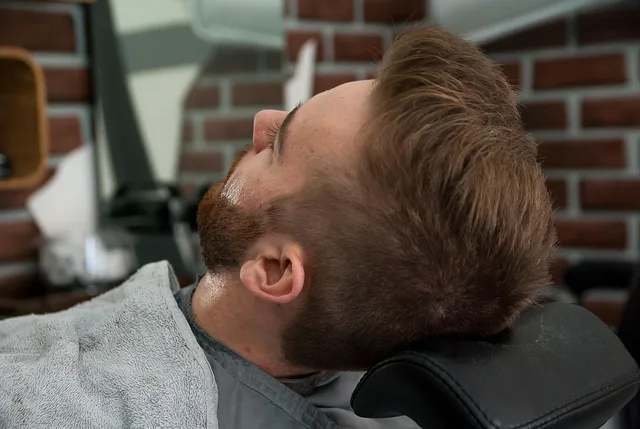
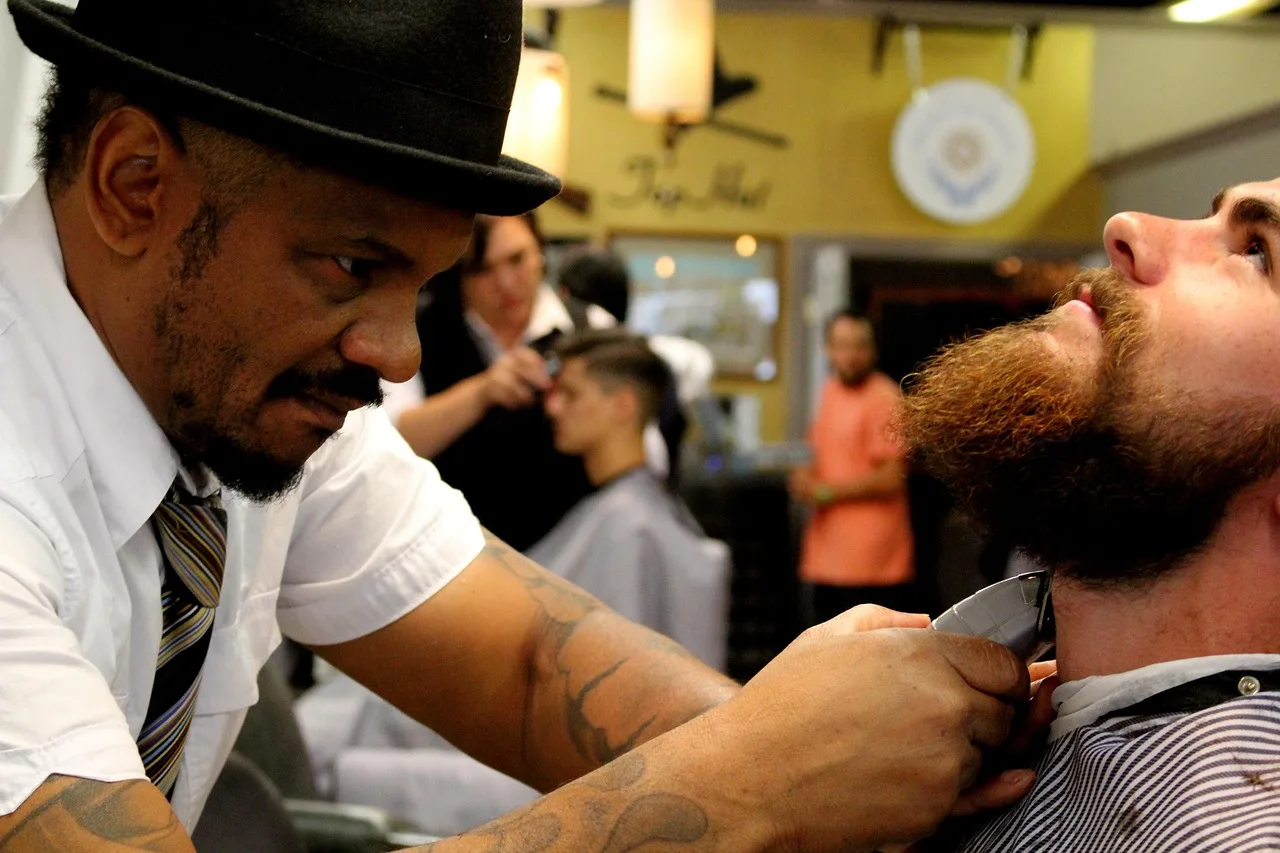
Cut and beard. A haircut plus beard trim, lineup and hot towel, usually 45 to 50 minutes. Where a cut prices at $30, this bundle commonly sits between $40 and $50. It suits the client who now books a cut and a separate beard visit. Two trips become one longer slot, and the average ticket rises without a new client.
Father and son. Two cuts, back to back, in one appointment of 45 to 60 minutes. It suits the parent who is already booking and wants one trip instead of two. Block it as a double slot, so the second chair or the same barber has the time reserved.
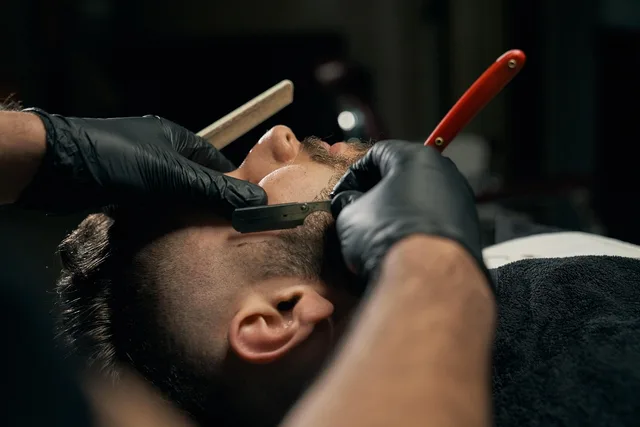
The groom's package. Cut, beard shape, hot towel shave and a trial run two weeks before the date. Two appointments, the second in wedding week, commonly priced from about $75 to $150. The trial is the part clients pay for, because it removes the risk of an unfamiliar result on the day.
The monthly membership. A flat fee covering a set number of cuts, usually one every three weeks, billed to a card. Squire, Booksy and Vagaro all run recurring billing; Booksy and Vagaro list solo plans near $30 a month per calendar. Price the fee so it covers the chair time even when the client uses every visit.
The first-visit package. Cut, consultation and a product recommendation, priced at or just above a standard cut. The recommendation can name a water-based pomade such as Layrite or Suavecito. The point is to capture the client's history and preferences in the booking system, so the second visit is easier to sell.
What each one has in common: a name a client can say out loud, a fixed list of services and a stated duration. The full menu structure these sit inside is set out in barbershop services and packages.
Pricing a package without giving away the chair
Work in named variables, not guesses. Let C be your chair rate per hour, meaning the revenue one chair produces in an hour of booked work. Let t be the total minutes the package takes, including consultation, cleanup and the gap before the next client. Let d be the discount you will give for the bundle.
Package price = C × (t ÷ 60) × (1 − d).
If a cut takes 30 minutes and a beard trim adds 15, the package is 45 minutes plus a 5-minute reset, so t is 50. At a chair rate of C, that package has to clear 50 minutes of chair time before it earns anything.
A discount that pushes the price below that line means the client pays you less per minute than a walk-in cut would.
Chair rates move with the market. As of 2026, a single chair in a U.S. metro typically produces $40 to $80 an hour in booked revenue, and $60 is a common mid-range figure. Rent, walk-in traffic and local wages set where your shop lands in that band.
Run two checks before the package goes live.
Pricing a package
- Does the package price beat the sum of its parts by enough that the client notices, and not so much that the chair loses money?
- Does the package fit a standard slot length, or does it force a custom booking that fragments the day?
If the answer to the second is no, change the package contents, not the schedule. A 50-minute bundle in a shop built on 30-minute slots will run late by the third client.
Scheduling and the booking page
Every package needs a duration on the booking page, and that duration has to include setup and cleanup. Clients book the time they see. If the page says 45 minutes and the work takes 55, the overrun lands on the next client.
Set the package up as its own bookable service in the software, not as a note in the appointment. That gives you a count per package, which is the only way to know whether it sells.
Square Appointments is free for a solo barber and around $29 a month for a team. Fresha charges no monthly software fee and takes a cut of card payments and new-client bookings. Booksy and Vagaro list plans near $30 a month per calendar, and Squire prices by the chair.
All five let you set a duration and a price for each package. Vendors change their plans, so check the current pricing page before you commit.
Keep the package list short. Six named bundles a client can read in ten seconds beat twenty line items nobody scans. Services that only exist to fill a menu slot should be retired, and the ranking method for deciding which ones earn a place is in most profitable barbershop services.
What the authorities actually say
The U.S. Bureau of Labor Statistics: Barbers, Hairstylists, and Cosmetologists page describes barber duties, work settings and tools. It covers licensing, training and schedules, along with pay and self-employment data. It notes that barbers clean and disinfect tools and work areas.
The U.S. Food and Drug Administration: Salon Professionals: Fact Sheet covers cosmetic-product safety and reporting. It separates the FDA's cosmetics role from workplace safety and state licensing. If a package includes a product, read the manufacturer's instructions before you put it on the menu.
The Federal Trade Commission: Advertising FAQs: A Guide for Small Business states that advertising claims must be truthful and supported. Endorsements must reflect honest experience, and material relationships have to be disclosed. A package described as including a hot towel shave has to include one.
Which services a barber may legally perform, and under what supervision, is set by your provincial or state board. barbershop licensing and compliance shows where to read the current answer, and requirements change over time.
Worked example
A shop runs 30-minute cuts at a chair rate of C. It adds a cut-and-beard package at 50 minutes with a 15 percent bundle discount.
At C = 60, a standard cut earns 30 dollars. The package, priced at 60 × (50 ÷ 60) × 0.85, comes to 42.50. That is 12.50 more per booking for 20 extra minutes, which works out to 37.50 an hour against the 60 the chair earns on back-to-back cuts.
The package only pays if it fills time that would otherwise be empty. Run it in the quiet mid-afternoon block, not at 5 p.m. on a Friday.
Common questions
Why does the cut-and-beard package sell better than a discount on haircuts?
It adds a service the client already wants instead of lowering the price of one they already buy. The client sees more value, and the shop fills a longer slot. A straight discount trains clients to wait for the next sale.
Should packages be sold as memberships?
Only if you can bill a card on a schedule and track usage. Memberships sell on predictability, but they lock in a price while your costs move. Review the fee annually against your chair rate.
How do I know a package is working?
Track two numbers per package: how many sold, and what share of buyers rebook within the package's own interval. A bundle that sells well but does not bring clients back sooner is a discount with extra steps. The booking and workflow side of that tracking is covered in barbershop operations and workflow.